
In Dallas-Fort Worth rentals, design choices often show their impact through performance indicators, and a closer look at rental profitability insights helps reveal how layout decisions influence vacancy rates, renewals, and rent consistency. A property may look appealing online yet still feel inconvenient once tenants imagine daily life. When a floor plan supports real routines, renters recognize the value quickly.
For residential investors across the DFW metroplex, layout design plays a key role in shaping tenant satisfaction. From privacy and noise control to flexibility and storage, the strongest-performing rentals tend to feel intuitive from the first showing and comfortable long after move-in.
Key Takeaways
- Practical layouts help Dallas-Fort Worth rentals attract qualified tenants faster.
- Bedroom placement and privacy directly influence tenant comfort and renewals.
- Flexible spaces align with Remote Work Trends and evolving lifestyles.
- Kitchen, laundry, and storage layouts shape everyday tenant satisfaction.
- Family-friendly and pet-conscious designs reduce turnover risk.
Open Living Areas That Feel Livable
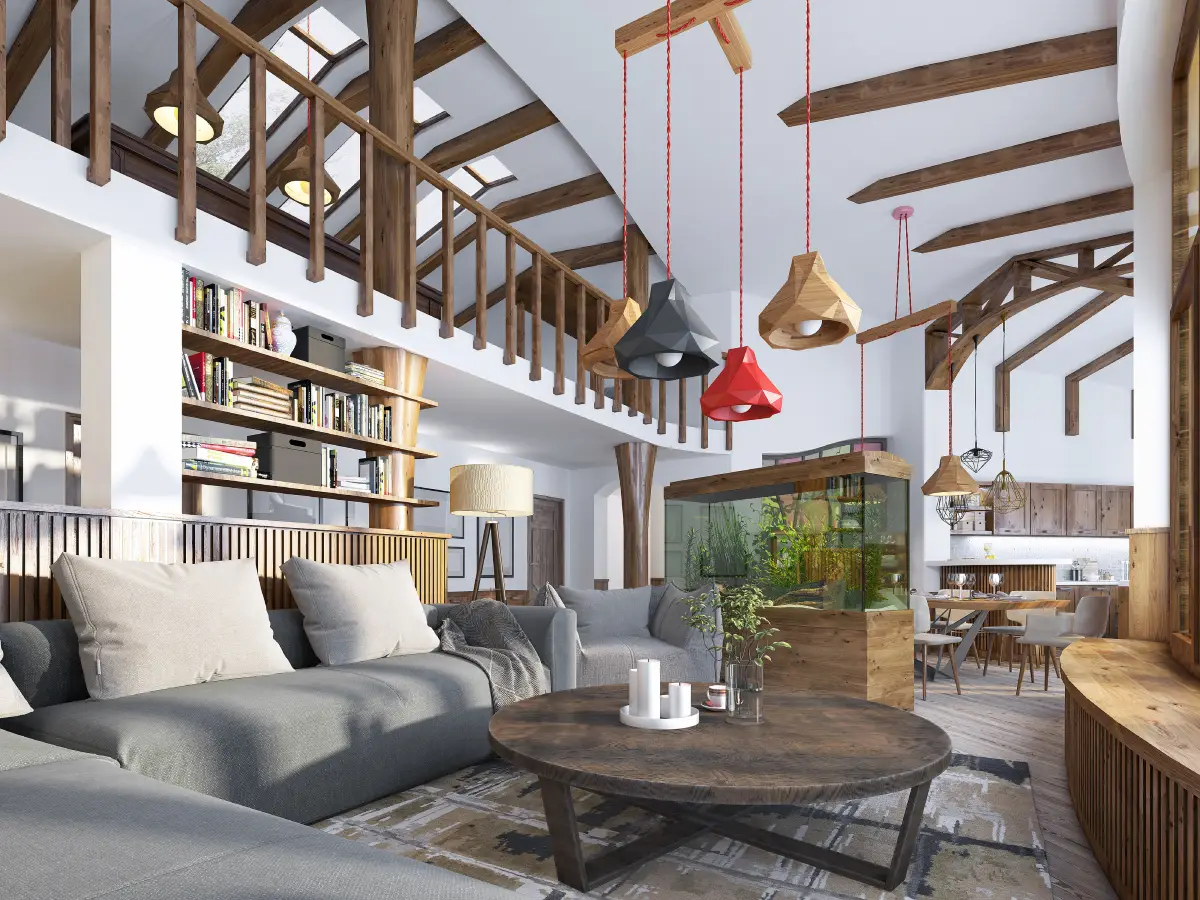
Open living spaces continue to influence renter decisions, yet success depends on thoughtful execution rather than simply removing walls. In Dallas-Fort Worth, tenants often want connected spaces that still feel organized and calm.
National data supports this preference. According to the National Association of Home Builders, 54% of new homes now feature open kitchen and dining layouts, a trend that impacts how rentals compete visually and functionally.
Flow that supports daily movement
Open layouts work best when walking paths feel natural. Tenants quickly notice when foot traffic cuts through dining areas or interrupts furniture placement. Clear circulation improves how the space functions day to day.
Light and visual openness
When living areas connect smoothly, natural light travels farther. Brighter interiors feel welcoming during tours and help tenants feel settled sooner.
Outdoor access that adds value
Patios and backyard connections extend usable living space. In the DFW climate, homes that blend indoor and outdoor areas tend to stand out during showings.
Bedroom Placement and Privacy Planning
Bedroom layout influences how peaceful a rental feel, especially for shared households and families with varied schedules. Thoughtful placement can significantly improve long-term satisfaction.
Separation that reduces friction
Split-bedroom layouts or partial separation between sleeping areas help protect privacy. Tenants often remain longer when personal space feels respected.
Noise control through design
Bedrooms positioned away from kitchens and main living spaces help support remote workers, early risers, and households with children. Reduced noise complaints benefit both tenants and owners.
Bathroom access and convenience
Tenants value bathrooms that are easy to reach from bedrooms and common areas. Logical placement improves daily routines and overall comfort.
To catch layout-related wear points early, many investors tie design reviews to property inspection planning, helping maintain usability over time.
Flex Spaces Supporting Remote Work Trends
Flex spaces have become a meaningful differentiator in today’s rental market. Many tenants want rooms that can adapt without requiring permanent changes.
This shift reflects broader workforce patterns. There are 36.07 million remote part-time workers, and renters increasingly expect their homes to support work, study, or creative activities.
What makes a space flexible
A flex space doesn’t need to be a formal office. Spare bedrooms, lofts, or bonus areas with adequate light and outlets can serve multiple purposes over a lease term.
Making flex spaces usable
Flex rooms work best when they can be defined visually or physically. Doors, alcoves, or partial separation help tenants manage focus and noise.
Kitchens and Laundry Designed for Daily Use
Kitchens and laundry areas are high-use spaces where layout efficiency matters more than cosmetic upgrades. Practical design here directly affects tenant satisfaction.
Workflow matters most
Clear paths between sinks, appliances, and counters make cooking easier. Tenants also value cabinet access that doesn’t conflict with door swings or traffic flow.
When preparing rentals for the market, incorporating kitchen usability into rent-ready strategies helps shorten vacancy by improving first impressions.
Laundry placement affects comfort
In-unit laundry remains a strong preference in DFW. Locations that avoid blocking hallways or bedrooms feel more convenient and reduce daily frustration.
Family-Friendly and Pet-Smart Layout Choices
Dallas-Fort Worth renters include families, pet owners, and multi-person households. Layouts that support these lifestyles tend to perform more consistently.
Sightlines that support routines
Open views between kitchens and living areas help caregivers manage daily tasks while staying connected. This layout supports family households without sacrificing comfort.
Design that accommodates pets
Durable flooring, easy outdoor access, and logical room transitions reduce wear. Pairing these layouts with clear pet-friendly rental guidelines helps balance demand with property protection.
Storage and Accessibility That Improve Livability
Storage plays a major role in how livable a rental feels after move-in. Insufficient storage often becomes a source of frustration over time.
Storage renters notice
Pantries, linen closets, and entry storage help tenants stay organized. Even modest shelving upgrades can significantly improve daily usability.
Accessibility broadens appeal
Single-story homes attract a wide range of renters, while multi-level properties perform well when bedrooms and bathrooms are logically arranged. Direct garage access adds convenience and safety.
Small Layout Tweaks That Improve Leasing
Many layout issues can be addressed without major renovation. Small changes often improve how tenants experience the space.
- Improve lighting and outlet access for better furniture placement.
- Add shelving to reclaim underused corners.
- Upgrade closets for easier organization.
- Define entry areas with simple storage solutions.
- Adjust door swings to reduce bottlenecks.
When leasing speed matters, combining layout improvements with leasing performance strategies can further strengthen results.
FAQs about Evolving Tenant Expectations in Dallas-Fort Worth, TX
How do tenant lifestyle changes influence floor plan demand in DFW?
As lifestyles shift toward hybrid work, wellness routines, and home-based activities, tenants increasingly favor layouts that offer flexibility, natural light, and separation between shared and private areas, helping homes remain functional as needs evolve.
Why do some updated rentals still struggle to convert showings into leases?
Even with modern finishes, a layout that interrupts movement, limits storage, or forces awkward furniture placement can discourage applications once tenants imagine living in the space day to day.
How can floor plans impact tenant satisfaction after move-in?
Layouts that support easy routines, clear storage, and quiet sleeping areas tend to reduce frustration over time, leading to fewer complaints, smoother communication, and higher renewal likelihood.
What layout features appeal most to long-term renters in DFW?
Long-term renters often value practical kitchens, accessible laundry, ample storage, and bedrooms that feel private, since these features support comfort and consistency beyond the initial lease term.
Can layout decisions influence the type of tenants a property attracts?
Yes, flexible layouts with balanced shared and private spaces tend to attract stable households who prioritize comfort and usability, which can lead to longer stays and more predictable rental performance.
Designing Rentals That Perform Long-Term
Residential rentals that feel easy to live in attract stronger tenants and support longer stays. In Dallas-Fort Worth, layouts that prioritize flow, privacy, flexibility, and storage often outperform properties that rely solely on cosmetic appeal.
At PMI Premier, we help protect residential investments through consistent, tenant-focused care. Strengthen property performance today through our maintenance services, designed to support comfort, reliability, and long-term value.
